

What is Motor Protector
Motor protection is used to prevent damage to the electrical motor, such as internal faults in the motor. Also external conditions when connecting to the power grid or during use have to be detected and abnormal conditions must be prevented.
Enhanced Safety
The primary purpose of a thermal protector is to prevent the motor from overheating. This is accomplished by monitoring the temperature of the motor and shutting it off when it gets too hot. This can help to prevent serious damage to the motor and potentially save lives in the event of a fire.
Improved Performance
In addition to enhanced safety, a good thermal protector can also improve the performance of your electric motor. By preventing the motor from overheating, the protector can help extend its lifespan and keep it running at peak efficiency.
Reduced Maintenance Costs
Over time, a motor that overheats regularly will begin to show increased wear and tear. This can lead to expensive repairs or even replacement. Thermal protectors help reduce maintenance costs by ensuring the motor does not overheat in the first place.
Motor control
They provide control functions including start, stop and reset functions. These controls allow manual operation of the motor, allowing for simple and convenient management.
Monitoring and diagnostics
Some motor protectors offer advanced monitoring and diagnostic features. These include temperature sensing, motor load monitoring and communication functions to relay information to the central control system.
-
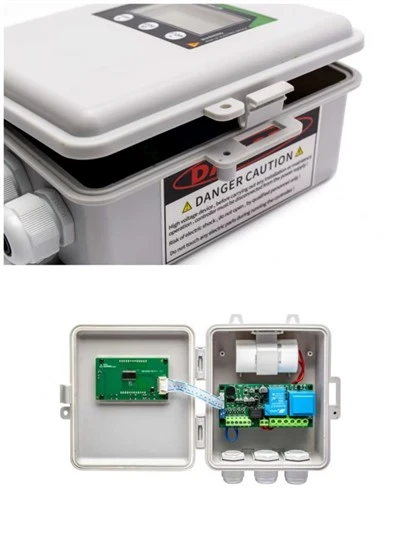
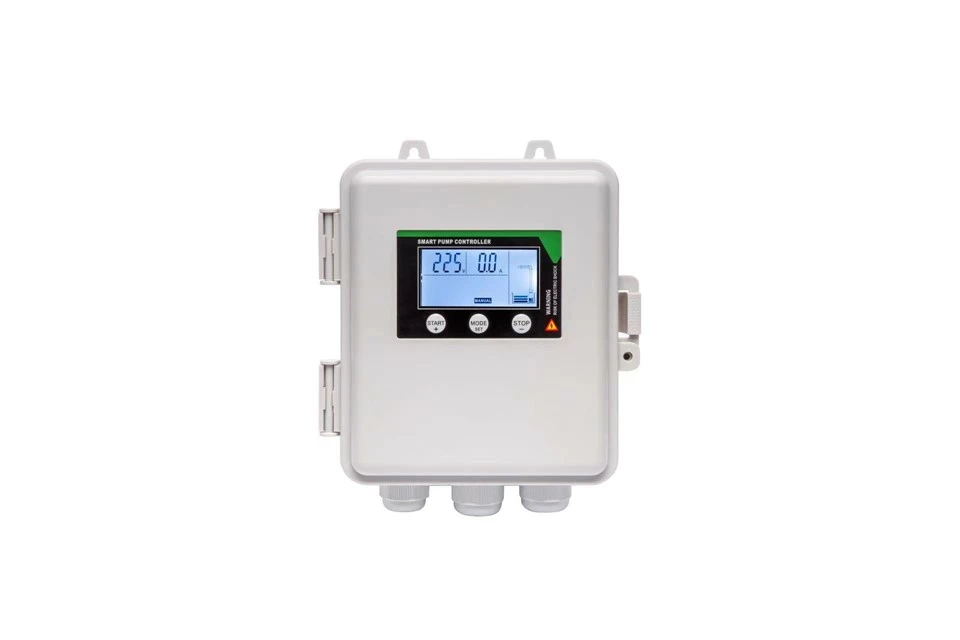
![Intelligent 0.37-2.2kw Motor Protector Of Water Pump]()
Intelligent 0.37-2.2kw Motor Protector Of Water Pump
Add to Inquiry -
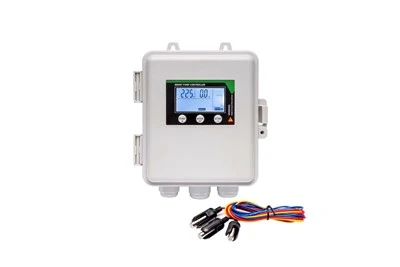
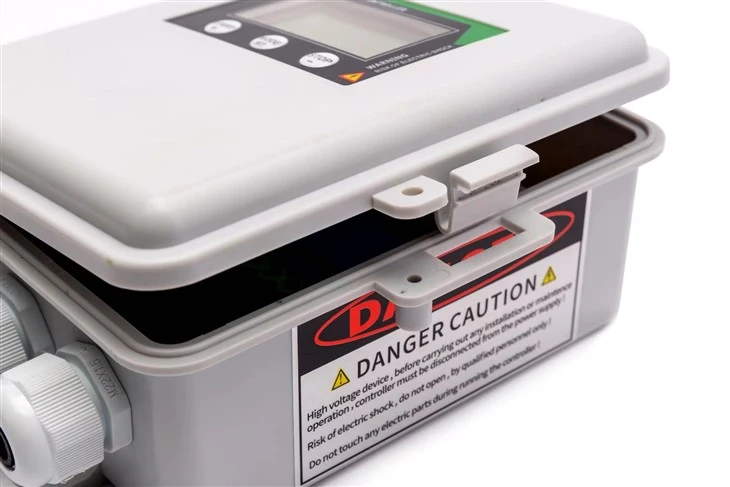
![Single Phase Motor Protector Box]()
Single Phase Motor Protector Box
Add to Inquiry -
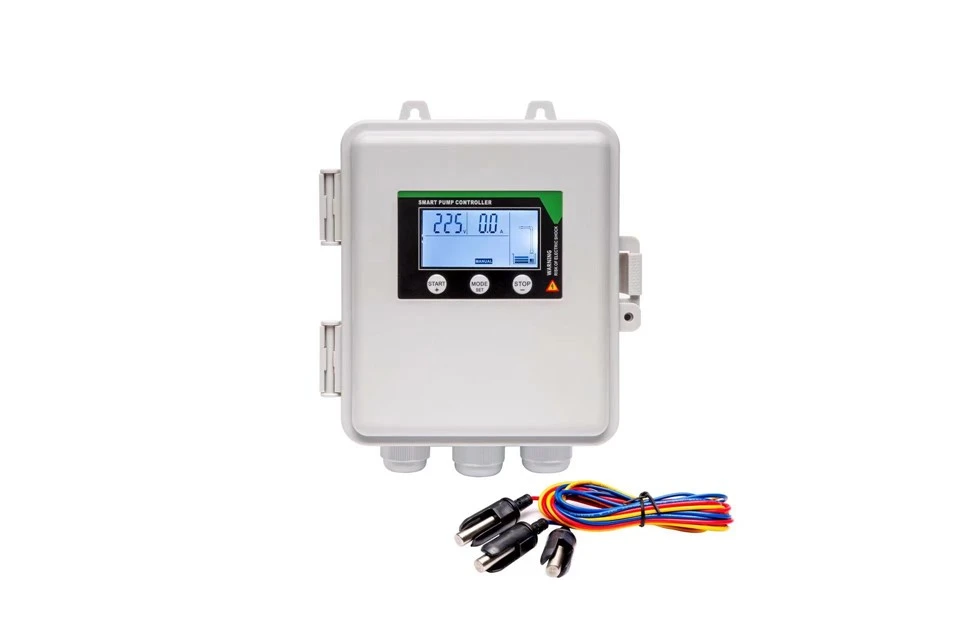
![1 Phase Motor Protector]() Add to Inquiry
Add to Inquiry
Why Choose Us
Advanced equipment
We take strong measures to ensure that we use the highest quality equipment in the industry and that our equipment is regularly and meticulously maintained.
Competitive prices
We offer our products at competitive prices, making them affordable for our customers. We believe that high-quality products should not come at a premium, and we strive to make our products accessible to all.
Efficient and convenient
The company has established marketing networks around the world to provide high-quality services to customers in an efficient and convenient manner.
Quality assurance
In terms of quality assurance, the company strictly follows the standards and norms of the industry quality system. Adopt industry-leading testing equipment to ensure product quality and good reputation.
High quality products
We always put customer needs and expectations in the first place, refine on, continuous improvement, to seek every opportunity to do better, to provide customers with their expectations of quality products, to provide customers with the most satisfactory service at anytime.
Professional team
We have a team of skilled and experienced professionals who are well-versed in the latest technology and industry standards. Our team is dedicated to ensuring that our customers get the best service and support possible.
Working Principle of Motor Protector
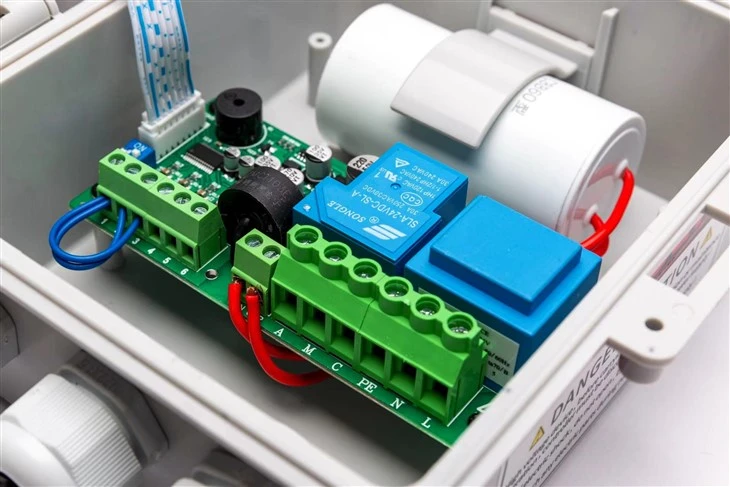
Generally, conventional motor protectors mainly perform protection operation through three-phase current transformers, detection circuits, delay circuits, adjustment circuits, and various components of the relay. Once the detection circuit detects the abnormal current induced by the current transformer, it will output a signal to the executive relay. The relay contacts are connected in series in the power supply circuit of the contactor coil, so the transmitted signal will cause the AC contactor to directly disconnect the power supply, thereby protecting the equipment motor; the delay circuit is used to avoid excessive instantaneous current when the motor starts. Smart motor protectors generally can adjust the duration of this reaction action by themselves; the adjustment circuit is used to set the action current according to the working current accuracy of the protected motor.
Traditional thermal relays are prone to heating points and failure points on the line due to screw connection problems in and out, which will greatly reduce the protection effect. The motor protector, because it is a through-the-core installation method, can reduce breakpoints on the circuit, thereby reducing heating points and fault points, and improving protection accuracy. What's more, the motor protector detects the three-phase operating current and determines different protection methods according to the different properties of the operating current. To a certain extent, it can avoid the impact of harsh environments on the detection accuracy of the equipment.
Daily Maintenance Of Motor Protector
During daily use, ensure that the surface of the motor protector body is kept clean. If there is too much dust or moisture on the surface, it can easily lead to a decrease in the overall insulation resistance of the protector, affecting its protective effect and leading to failure.
Regularly check whether the contact conditions of the output, input terminals, contacts or connectors of the motor protector are maintained in good condition. Are there any phenomena such as overheating, oxidation, or poor contact that cause cable damage? Especially for the contact of the three-phase current main circuit, if the contact is poor or the wire diameter is improperly selected, it will overheat and affect the equipment shell.
Regularly check whether the display status of the indicator light, digital tube or display screen of the motor protector is normal and whether it affects daily observation of equipment data.
Regularly check the installation of the motor protector and its connectors. Is there any looseness? If so, please adjust it in time to keep it in a solid state.
Regularly check whether the set current value of the motor protector is consistent with the original setting value, especially those protectors that use potentiometer knobs and DIP switch operating devices. After all, these are relatively easy to be adjusted at will by unrelated personnel, thereby changing the original setting values.
Regularly check whether the cooling and ventilation systems of the motor are blocked, whether there is abnormal noise during motor operation, whether the insulation value is reduced, whether the AC contactor contacts are damaged, etc. These, to a certain extent, will also affect the use of their corresponding protectors.
On-site inspection of the protector is a very important inspection method, especially for the initial installation experiment or regular inspection of the protector. It is a very necessary measure.
As the most widely used power equipment, electric motors are the main power source for other electromechanical equipment. Therefore, the normal output of the motor is the prerequisite for ensuring the normal operation of electromechanical equipment. The function of the motor protector is to provide comprehensive protection and control for the motor. When the motor has faults such as overcurrent, undercurrent, phase loss, phase loss, overvoltage, undervoltage, three-phase unbalance, etc., alarm or protection control is performed. So far, motor protectors have penetrated into almost all areas of electricity consumption and play an irreplaceable role in the national economy.
When the motor fails, the three-phase current will change. By detecting the three-phase operating current, different protection methods can be determined according to the different properties of the operating current, thereby protecting the motor from power outages. The action protection principle of the motor protector adopts this method.
Commonly used motor protectors mainly include the following types: thermal relays, temperature relays, electronic motor protectors and intelligent motor protectors. Different types have different functions, accuracy and quality. The purpose of daily use of motor protection devices is to enable the motor to fully exert its overload capability while avoiding damage. Most importantly, it also improves the reliability of electric drive systems and the continuity of production. The ideal motor protector needs to have excellent performance that meets reliability, economy and convenience.
Function of Motor Protector
Overload protection
When the motor runs over its rated current for a long time under an overload fault, it will cause the motor to overheat, reduce insulation or even burn. At this time, the integrated motor protector will calculate the thermal capacity of the motor based on the heating characteristics of the motor and simulate the heating characteristics of the motor to protect the motor. This protection mode is called overload protection.
Underload protection
When the load carried by the motor is a pump load, the motor running without load or under load will cause harm. The underload protection function provided by the protector is that when the percentage of the average current of the three phases to the rated current is lower than the set value, the protector should act within the action (delay) set time or alarm within the alarm time. This protection function is mainly used to protect applications on pump equipment.
Overheating protection
The overheating protection uses mathematical methods to establish the heating model of the motor, and solves the thermal protection problem of the low-voltage motor in principle. Generally, traditional thermal relays have this protection function.
Phase loss protection
When the three-phase power supply current is unstable due to environmental factors, one phase is disconnected or abnormal, the motor protector will detect the lack of phase of the equipment and act to protect it. This protection behavior It is the lack of phase protection.
Phase sequence protection
A protector with phase sequence protection function. When the voltage phase sequence on the power supply side is consistent with the originally set sequence, the protector will not act; when the motor protector detects that the phase sequence of the motor is connected incorrectly, the motor The protector will react, so that the motor cannot be started.
Undervoltage protection
During the operation of the motor, the operating voltage is too low to cause the motor speed to decrease or even stop running. When the operating voltage of the motor drops to the set under-voltage protection range, the protector will perform protection according to the set requirements, and act within the set time of action (delay), or alarm within the alarm time, so as to avoid Important production processes caused chaos and severely affected production.
Overvoltage protection
Too low working voltage will cause malfunction, and too high is no exception, it will cause motor insulation damage. When the operating voltage of the motor exceeds the set protection voltage, the protector will perform protection according to the set requirements. It will act within the set time of the action (delay) or give an alarm within the alarm time to ensure the motor equipment. Safety.
Grounding and leakage protection
The grounding protection current signal is taken from the vector sum of the internal current transformer, which is used to protect the short circuit protection of the phase wire to the metal outer box of the motor. Moreover, the protector can detect the fault current by adding a leakage current transformer and be used for indirect grounding protection equipment, thereby ensuring the personal safety of the operator and improving the safety of the equipment.
Starting overtime protection
During the starting process of the motor, the protector has protection functions such as open-phase (three-phase unbalance) and grounding/leakage, and the other protection functions cannot protect it. Only after the start is over, all the protection functions (according to the user's actual setting) will be automatically put into protection. The starting overtime protection means that when the starting time of the motor exceeds the starting time actually set by the user, and the current is still greater than 1.1 times the rated current, the comprehensive motor protector will take protection work according to the set requirements, and the action (delay) A stop warning is issued within the set time, so that the motor stops running and the protection equipment fails accordingly.
How To Choose A Motor Protector
Due to the wide application of motors in industrial fields, they need to work in harsh environments. In some areas, motors need to run frequently 24 hours a day. It is precisely because of the work requirements in these fields that if you want to ensure normal production, the motor must be equipped with corresponding protection equipment to reduce the occurrence of failures. As a protective device to protect the motor, the motor protector's basic performance is also developed for motor faults.
There are many types of motor protectors on the market with various models and specifications. In order to meet the different needs of different users, manufacturers will produce more series of related products. Before selecting the corresponding protector, users should reasonably select the protection function and protection method according to actual needs. This can achieve good protection effects and improve the reliability of equipment operation.
Regarding this point, we can actually analyze it from the basic performance of the motor protector. Although there are many types of motor protectors on the market, in the final analysis, they mainly deal with the problems that often occur with motors. During the daily operation of the motor, due to various reasons, faults such as overload, phase loss, blocked rotor, short circuit, overvoltage and undervoltage, leakage, and three-phase imbalance may occur. Motor protectors on the market mainly focus on corresponding power-off protection when these faults occur.
JIT SMART, only focus on designing, developing, manufacturing, selling smart pump control panel & pump motor protector. With more than 20 years of experience in the pump controller industry, we learn pump manufacturer's, user's demand well and provide complete water pump control & protection solutions.
FAQ
Shanghai JIT Smart Technology Co., Ltd. is one of the most professional motor protector manufacturers and suppliers in China, featured by quality products and good service. Please rest assured to buy motor protector at competitive price from our factory.
Duplex Intelligent Pump Controller, Duplx Intelligent Pump Control Box, Single Phase Pump Controller